
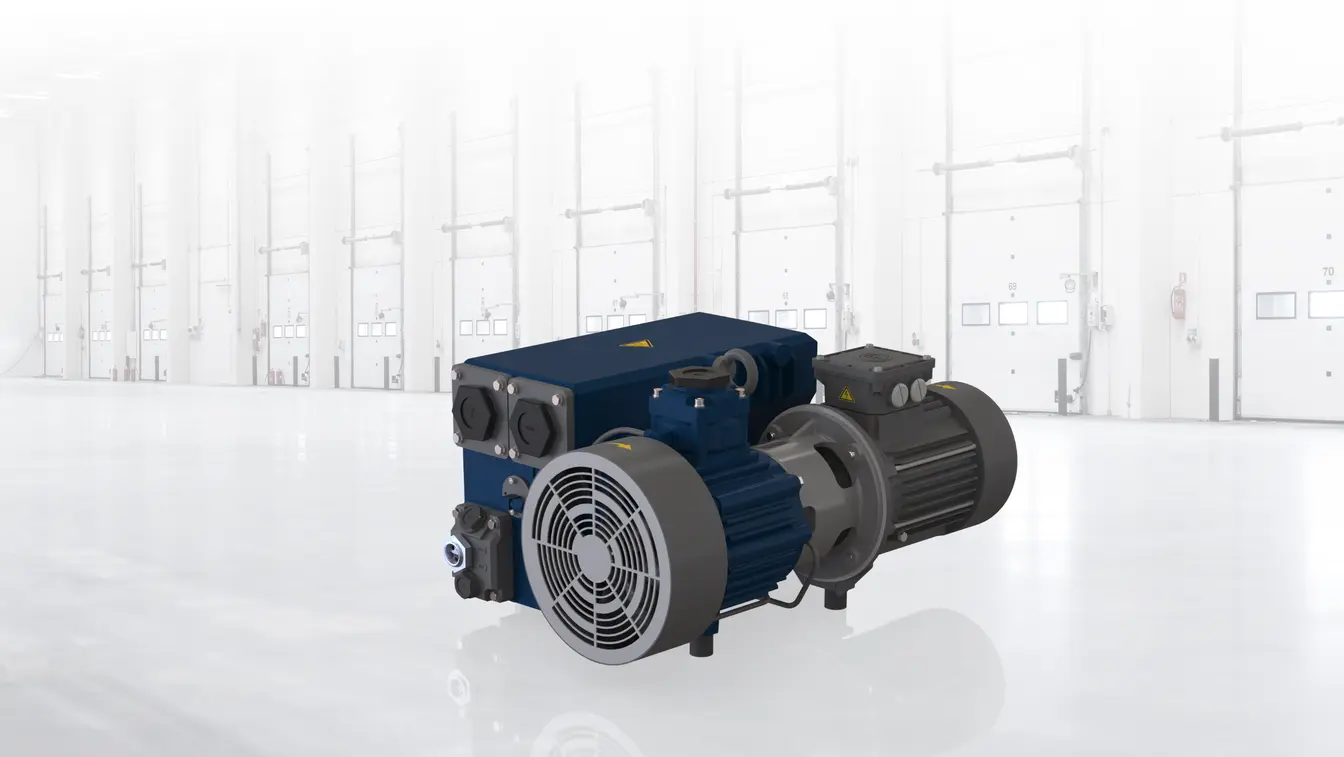
Running a plant in Ankleshwar and tired of vacuum equipment that can’t keep up with your shift schedule? MechVac Technologies builds industrial vacuum pumps for the factories and process units that make up this belt, and we build them to survive the kind of continuous, hard-running conditions common here.
Our entire manufacturing line is set up for industrial and commercial buyers. Firms such as Reliance Industries, TATA Power, Siemens, Hitachi, and BHEL run our equipment, which says something about where our quality bar sits.
Few industrial zones in Gujarat pack in as much chemical processing as Ankleshwar. Between the specialty chemical units, the pharma formulation plants, and the dye and pigment manufacturers, vacuum technology sits quietly behind almost every production line here.
Here’s the problem plants run into: they buy a pump based on price or availability, not on whether it actually matches the process. Six months later, seals are failing early, vacuum levels are drifting, and maintenance calls are eating into production hours. None of that is really a “pump problem”, it’s a selection problem.
Because we’ve supplied this region for years, we already know which pump handles corrosive vapour well, which one survives dust-heavy environments, and which one is simply overkill for a lighter application. That local context changes what we recommend.
Strip away the technical language, and a vacuum pump has one job: it removes air and gas molecules from a sealed space to bring the pressure down below normal atmospheric levels.
That low-pressure environment isn’t just a lab curiosity, it’s a working requirement for dozens of industrial steps. Solvent recovery needs it. So does vacuum distillation, drying, degassing, and even certain material transfer systems. Take the vacuum away, or let it drift out of range, and the process either stalls or the output quality slips.
People often assume that matching a pump to a job is only about achieving a target pressure figure. It’s more than that. Run-time expectations, energy draw, servicing frequency, and expected service life all factor into whether a pump is actually the right one, not just whether it can technically hit the number on paper.
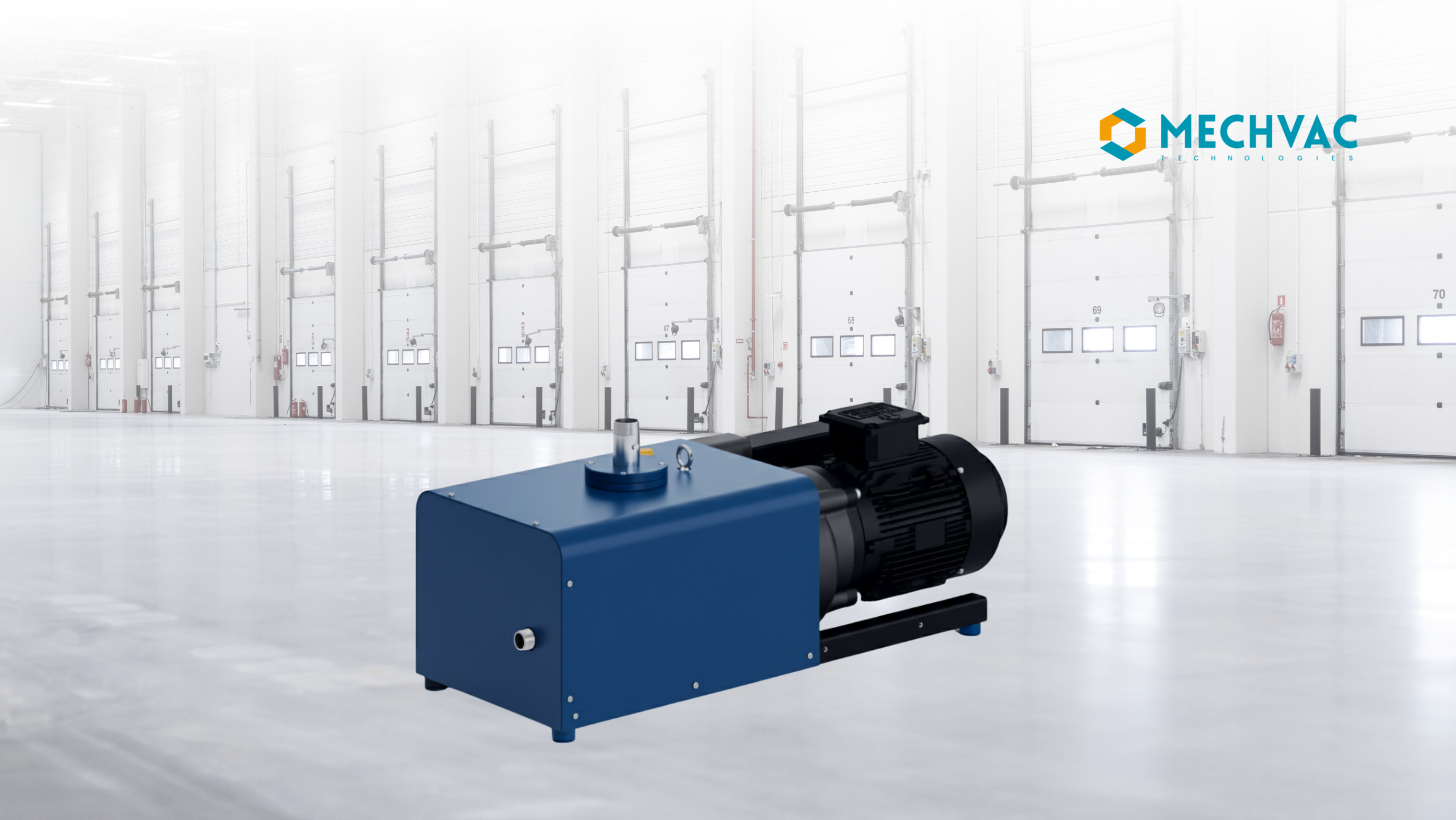
Different processes call for different pump technology. A unit that works well for a packaging operation would likely underperform in a solvent-heavy chemical process, and vice versa. Below is what we manufacture and supply.
This is the workhorse of the industry, the technology most plants reach for first because it's dependable across a wide spread of general-purpose applications. A set of rotating vanes physically pushes air and gas out of the chamber, creating a steady vacuum.
Industries and processes where we typically place these: :Because the design has been refined over decades, spares are never hard to find, and the pump tolerates long duty cycles without much drama.
When contamination is the enemy, and in pharma or fine chemical work, it usually is, a dry pump is the better route. These units operate with minimal or zero lubricating oil inside the pump chamber, which removes the risk of oil vapour contaminating your process stream.
We typically supply dry pumps into::If your quality team has flagged oil contamination as a concern in the past, this is the technology that removes that variable entirely..
For plants running near-continuous shifts, claw pumps hold up exceptionally well. The claw rotors never actually touch each other while compressing gas, which means fewer wear parts and far more predictable long-term output.
Common applications include:Plants trying to trim their per-unit operating cost without sacrificing uptime tend to land on claw technology once they compare the numbers.
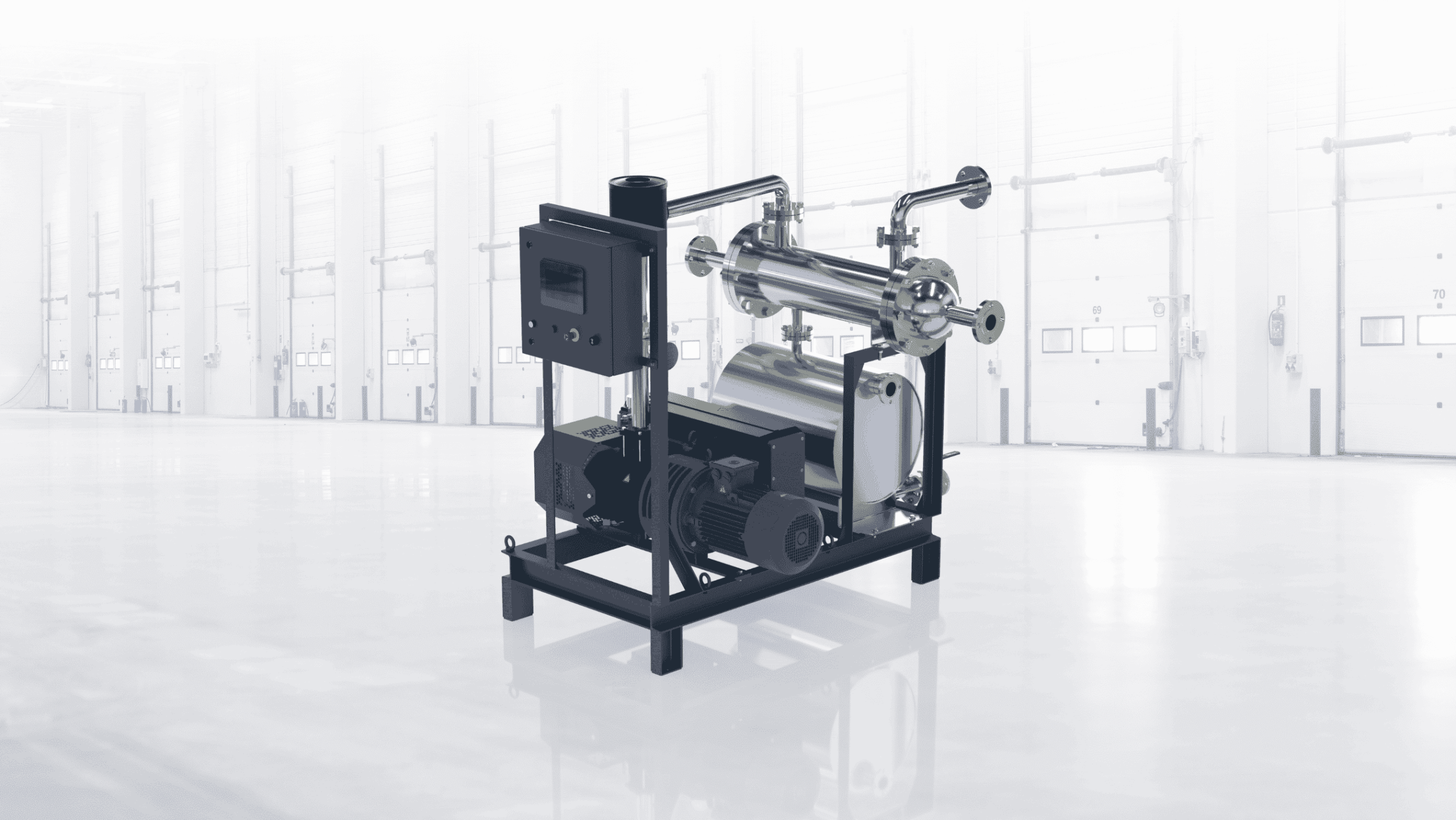
Single pumps only go so far once a plant scales up. At that point, a properly engineered vacuum system, not just a bigger pump, becomes the smarter investment. We design centralized systems, skid-mounted packages, multi-pump arrangements, and automation-ready builds based on how your plant's floor actually operates, not a generic template.
Done right, this kind of system means one shared vacuum source instead of five standalone units, lower total power draw, and a maintenance schedule your team can actually plan around instead of reacting to..
A well-planned vacuum system gives you steady vacuum across many machines, lower power use, and easier upkeep since everything runs through one setup.
Our pumps and systems are already running in:
Whichever of these fits your plant, our engineering team can shortlist the right pump technology once we understand your process conditions. Handling operations near the Amreli belt too? We've put together a dedicated resource for the Pump Manufacturer in Amreli area that covers that region specifically.
Skip the guesswork. Before ordering anything, get clear answers on:
We walk through each of these with you directly rather than handing over a catalogue and letting you guess. It’s a five-minute conversation that usually prevents a costly mismatch later, either an underpowered pump that can’t keep pace, or an oversized one that wastes power and budget.
Talk to our engineers before you commit to a model. It costs you nothing and saves a lot of second-guessing later.
A vacuum pump purchase isn’t really about the pump, it’s about what happens to your output, your downtime, and your operating budget over the next several years. Here’s what plants in this region get when they choose us.
Some of India’s largest manufacturing names already rely on our equipment. Whether your order is a single unit or a full plant system, that same build standard applies.
No pump, however well built, runs forever without attention. We stay involved well past the sale, offering:
We also run Annual Maintenance Contracts (AMC), which shift your pump care from reactive to scheduled, meaning problems get caught in a planned visit instead of during an unplanned shutdown.
Plants that stick to a maintenance schedule consistently get longer service life out of their pumps and fewer surprises on the production floor.
Whether you need a single pump, a repair contract, or a full engineered vacuum system, our team is ready to talk through your requirements. Share your process details and we'll come back with a recommendation matched to your actual conditions, not a generic quote.
Get in touch for a free consultation and let's figure out what your line really needs.
Yes, we supply industrial vacuum pumps and complete vacuum systems to plants and processing units throughout Ankleshwar and the broader Bharuch industrial region. Our client base is strictly commercial and industrial, we don't sell to individual consumers.
Our manufacturing range covers rotary vane vacuum pumps, dry vacuum pumps, claw vacuum pumps, and engineered vacuum systems. Since each process has different needs, our team helps identify which technology suits your specific application.
Yes. We regularly design centralized vacuum systems, skid-mounted units, multi-pump configurations, and automated setups tailored to a plant's actual layout and production requirements, rather than offering a fixed, one-size design.
We provide full troubleshooting, performance testing, component replacement, leak detection, and AMC (Annual Maintenance Contract) coverage, so your equipment stays reliable well beyond the initial installation.
Send us your required vacuum level, flow rate, daily operating hours, and whether the environment is clean or dust/chemical-heavy. Based on that, our engineering team recommends the specific pump or system suited to your plant.