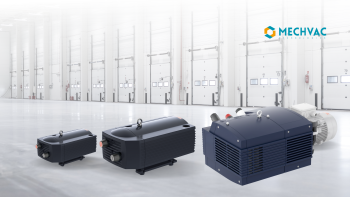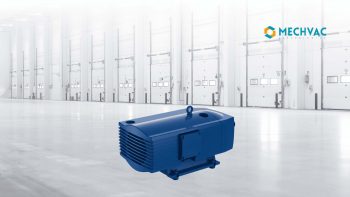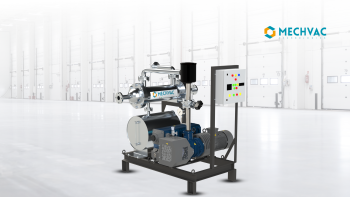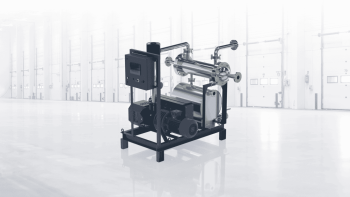
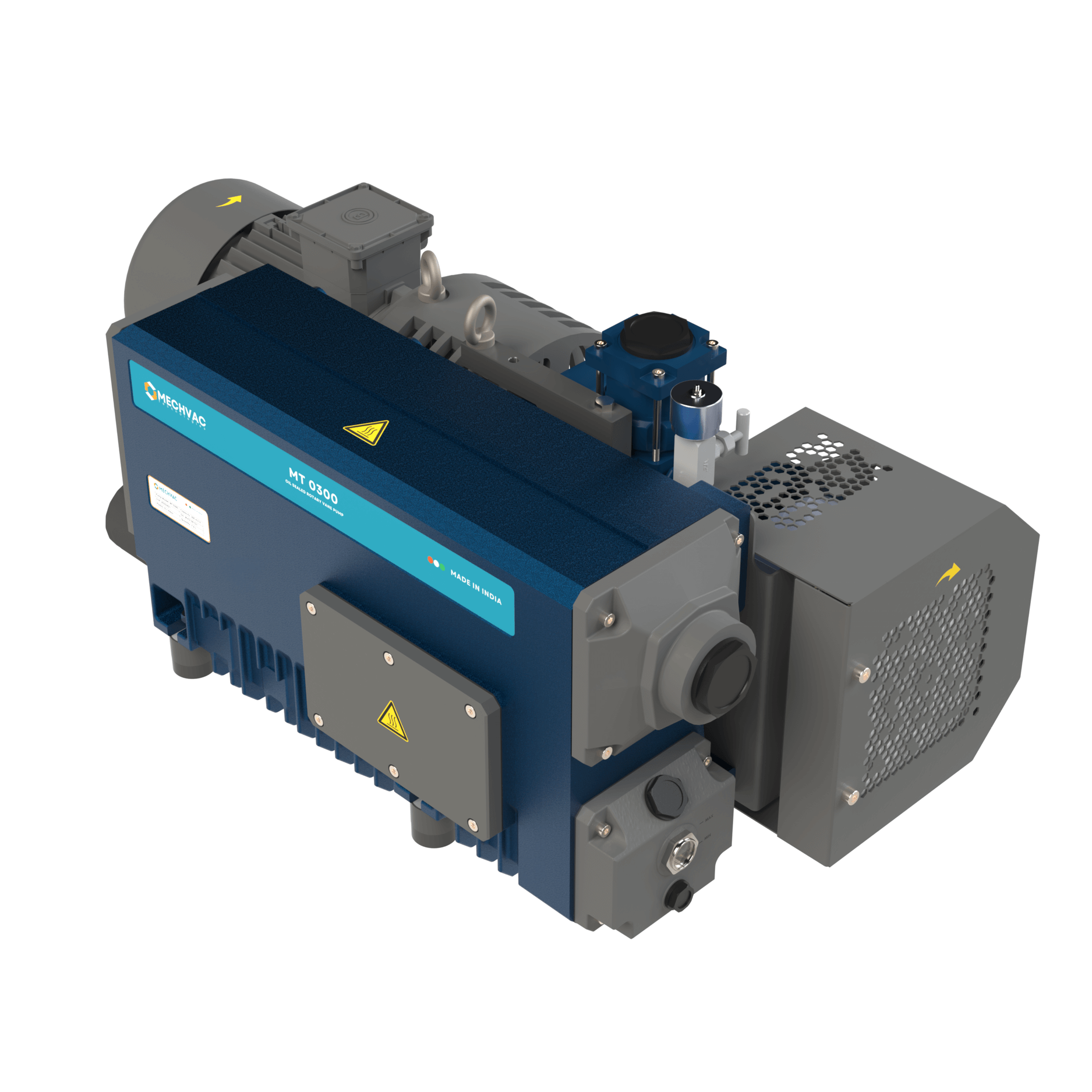
Oil-sealed rotary vane vacuum pumps are widely used across various industries due to their excellent ability to deliver stable vacuum levels, durability, and reliable performance. These pumps play a critical role in maintaining consistent operations for packaging, pharmaceuticals, manufacturing, and chemical industries.
Although like any industrial equipment, oil-sealed rotary vane pumps can develop performance issues over time, especially if maintenance is irregular or operating conditions are not ideal.
So, it’s essential to understand the rotary vane vacuum pump working principle to know about the common problems and how to fix them, as that can help reduce downtime, extend pump life, and maintain efficient performance.
In this guide, we will break down the most frequent issues faced in oil-sealed rotary vane vacuum pumps and practical ways to resolve them.
How Oil-Sealed Rotary Vane Vacuum Pump Work?
An oil-sealed rotary vane vacuum pump operates with the help of a rotating rotor placed inside a cylindrical housing. The rotor has sliding vanes that move in and out due to centrifugal force.
As the rotor turns, air enters through the inlet, gets trapped between the vanes, compressed, and then expelled through the outlet. In oil-sealed rotary vane pumps, oil lubricates the parts, seals gaps, and cools the system, allowing deeper vacuum levels and stable performance.
Now, what are some of the common rotary vane vacuum pump maintenance steps you should do, and what problems arise if you avoid them?
How to Fix the Common Problems in Oil-Sealed Rotary Vane Pump
- Loss of Vacuum Pressure
Problem Overview
Failure to achieve the required vacuum level or increased evacuation time is one of the most common industrial complaints. This directly impacts batch cycle time, drying efficiency, and product quality.
Root Causes
- Air leakage in pipelines, flanges, or mechanical seals
- Clogged inlet filters or condensers
- Mesh filter is partially obstructed
- Contaminated or degraded vacuum pump oil
- Worn-out vanes or internal clearances
- Improper vacuum pump sizing
- Oil level is insufficient
Engineering Solution
- Perform leak detection (vacuum drop test or helium testing for critical systems)
- Clean or replace filters, strainers, and condensers
- Clean the mesh filter thoroughly
- Replace oil if oxidized, milky, or contaminated
- Inspect vane thickness and replace if below tolerance
- Recalculate vacuum pump capacity (m³/h) based on actual gas load
- Refill oil to the correct operating level
Pro Tip: In chemical applications, undersized pumps often lead to chronic vacuum instability.
- Overheating of the Vacuum Pump
The Problem
Excessive temperature reduces oil life, increases wear, and can result in unexpected shutdown or seizure.
Root Causes
- Low oil level or incorrect oil grade
- Continuous operation beyond rated duty
- High ambient temperature (common in Indian plant conditions)
- Poor ventilation or installation in confined spaces
- Blocked cooling fins or oil cooler
- Partially blocked exhaust filters
Engineering Solution
- Maintain proper oil level and viscosity grade
- Ensure installation in a well-ventilated area
- Clean cooling surfaces and ensure airflow
- Match pump duty with process load (batch vs continuous)
- Consider external cooling systems for high-load applications
- Replace clogged or worn exhaust filters
- Vacuum Pump Oil Contamination
Problem Overview
Oil contamination is the single largest contributor to performance degradation in oil-sealed vacuum pumps.
Root Causes
- Condensable vapors (water, solvents) entering pump
- Dust or particles due to poor filtration
- Chemical reactions inside pump (in corrosive applications)
- Delayed oil replacement
Engineering Solution
- Install condensers or knock-out pots before the pump
- Replace the clogged inlet filter
- Use gas ballast to handle vapor loads
- Follow a strict oil replacement schedule
- Use high-quality vacuum pump oil with low vapor pressure
In pharma and chemical plants, adding a pre-condenser can increase oil life by 3–5x.
- Unusual Noise or Vibration
Problem Overview
Abnormal sound or vibration is an early indicator of mechanical failure or installation issues.
Root Causes
- Misalignment between motor and pump
- Worn vanes or damaged rotor
- Bearing failure
- Loose mounting or weak foundation
- Foreign particles inside pump
Engineering Solution
- Perform alignment check (laser/dial method)
- Replace worn vanes and bearings
- Ensure rigid and vibration-free foundation
- Clean internal components if contamination is suspected
- Oil Leakage Issues
Problem Overview
Oil leakage leads to loss of lubrication, contamination risk, and unsafe working conditions.
Root Causes
- Overfilling of oil reservoir
- Worn seals or gaskets
- Loose fittings
- Excessive back pressure
Engineering Solution
- Maintain correct oil level (do not overfill)
- Replace seals and O-rings periodically
- Tighten fittings and inspect joints
- Ensure proper exhaust and oil separator functioning
Problem
Excessive oil consumption.
Probable Cause
- Oil leakage.
- Malfunctioning float valve (FV).
- Prolonged operation at atmospheric pressure.
Recommended action
- Replace defective seals (contact Mechvac Service).
- Inspect the float valve and oil return line; repair if necessary (contact Mechvac Service).
- Ensure the pump operates under proper vacuum conditions.
Problem
Pump emits fumes or expels oil mist through the exhaust outlet.
Probable Cause
- Exhaust filters (EF) are partially clogged.
- Exhaust filter (EF) with O-ring is not correctly seated.
- Float valve (FV) malfunction.
Recommended action
- Replace the exhaust filters (EF).
- Verify proper installation of exhaust filters (EF) and O-rings.
- Inspect the float valve and oil return line; repair if required (contact Mechvac Service).
Preventive Maintenance Tips for Better Performance
A structured maintenance strategy is essential for achieving long-term reliability and consistent vacuum performance.
Best Practices:
- Regular vacuum pump oil inspection and replacement
- Periodic filter cleaning/replacement
- Monitoring vacuum level and pump-down time
- Checking the system for air leaks
- Scheduled inspection of vanes, seals, and bearings
- Ensuring proper installation and ventilation
When Should You Seek Professional Support?
Basic maintenance can be handled in-house, but certain issues require expert attention. If your rotary vane pump continues to underperform despite troubleshooting, or if you see repeated failures, then it’s best to contact your rotary vane vacuum pump supplier.
Professional support can help with:
- Detailed performance diagnostics
- System optimization
- Internal component inspection
- Proper replacement recommendations
Oil-sealed rotary vane vacuum pumps are known for their reliability and performance, but like any industrial equipment, they require proper care and timely maintenance. Understanding the rotary vane vacuum pump working principle and the common problems like vacuum loss, oil contamination, overheating, and noise can help you identify issues early and take corrective action before they impact production.