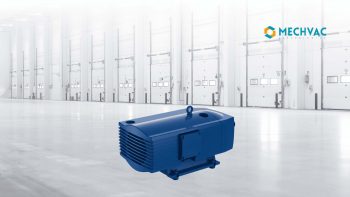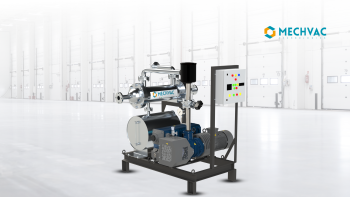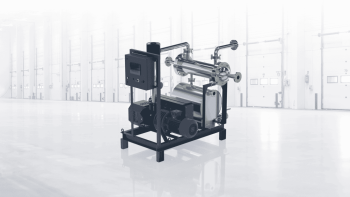
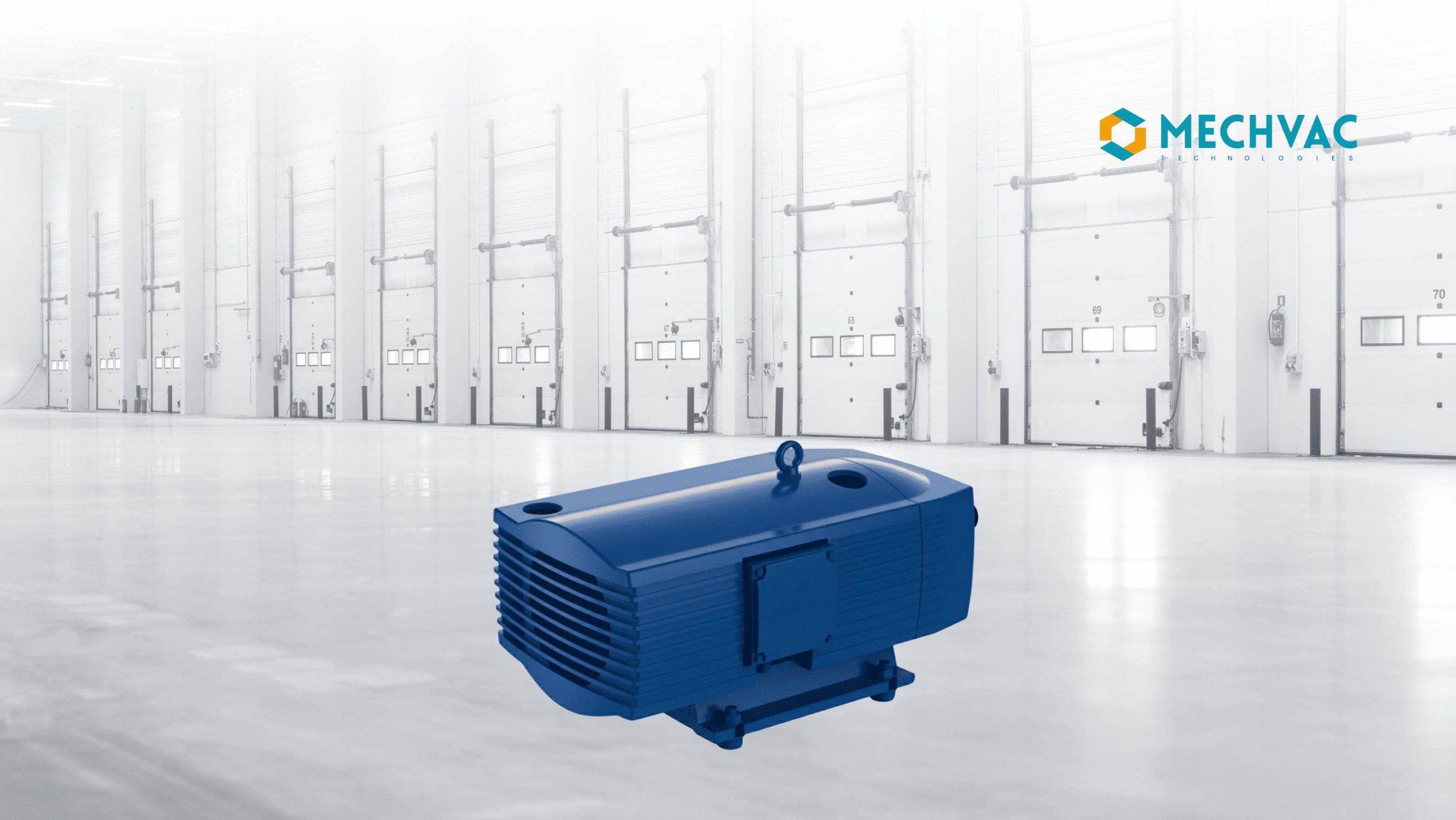
Selecting the best rotary vane pump is a big deal for companies that depend on vacuum systems every day. These pumps show up in all sorts of places, from factories making products to labs handling medicines, to even spots packaging food. They stand out for being tough and getting the job done without much fuss. But with tons of choices out there, figuring out what fits best means looking at what the business really needs. This piece breaks it down step by step, offering straightforward tips for finding the ideal rotary vane pump.
Understanding Rotary Vane Pumps
Rotary vane pumps work by spinning vanes around in a chamber to pull in air or gas, squeeze it tight, and push it out, leaving a vacuum behind. People pick them because they last a long time and handle tough jobs well. Still, one pump doesn’t fit every situation, so taking time to check things out makes sense.
What Matters Most When Choosing
Finding the right rotary vane pump means weighing a bunch of factors to make sure it aligns with how the business runs. Here are the main points to think about:
1. What the Pump Will Be Used For
Start by pinning down exactly what the pump has to do. Different fields and tasks call for different strengths in vacuum power and speed. Take these examples:
- Packaging Lines: Usually need a decent vacuum to seal up bags or boxes.
- Drug Making: Might require a strong vacuum for tasks like drying samples without heat.
- Wood Shops: Require a steady vacuum to keep pieces locked down during cutting.
Determine whether the job requires a light, medium, or heavy vacuum pull. Also, consider whether the pump handles clean air or moist air, since that affects which type of pump should be used.
2. How Much It Can Handle and How Deep the Vacuum Goes
The pump’s size is measured by how much air it moves, such as cubic feet per minute or liters per minute. Bigger jobs or quick clear-outs need more power there. The vacuum strength, checked in millibars or torr, tells how low it can go. For instance:
- Easy tasks like shaping plastic might work with a vacuum from 1000 down to 100 mbar.
- Tricky stuff in tech factories could need under one mbar for clean results.
Line up the pump’s power and depth with what’s required to skip problems like slow work or spending extra on too much muscle.
3. Pumps with Oil or Without
Rotary vane pumps are split into oil- and oil-free types. Each type brings its own perks:
- With Oil: These run smoother, hit better vacuum marks, and stick around longer. They’re suitable for heavy work, but they need oil swaps and check-ups now and then.
- Without Oil: Easier to keep up, better for the planet, and great where oil can’t mix in, like handling food or in spotless rooms.
Weigh the pros and cons. Oil versions from Mechvac Technology deliver strong results but need regular care. Dry ones cut down on hassle but might not pull as hard.
4. Where It Runs and How
The spot where the pump works extensively affects the choice. Keep these in mind:
- Heat Levels: Too much heat can affect how well it runs. Pick one built for the room’s usual temps.
- Dirt or Harsh Stuff: Places with dust or chemicals might need extra shields or a more challenging build.
- Sound: Some pumps make more racket. Quiet areas benefit from those designed to hush up.
Mechvac Technology pumps often come ready for rough spots, holding up well when things get tough.
5. Keeping It Going and How Long It Lasts
Upkeep ties into costs over time and keeping things running smoothly. Pumps with oil need oil looks and filter changes, while dry ones take less effort. Look at what the maker suggests for service times and if parts are easy to get. A pump with simple access and clear instructions reduces breaks.
Check the make too. Solid builds using good stuff, like in Mechvac Technology models, mean fewer headaches and longer use.
6. Saving on Power
Pumps that run all day eat up energy, so costs build up. Hunt for ones with innovative features, like adjustable speeds or efficient motors. These trim the bill without skimping on work. Looking at energy scores helps spot the smart buys for the long haul.
7. Money Up Front and Over Time
The starting price counts, but the whole picture includes more. Add in:
- What it costs to buy
- Fixes and care expenses
- Power use
- Parts and help when needed
A bargain pump might look good at first,t but could drain more if it guzzles energy or breaks often. Find that sweet spot between solid build and fair price for real savings.
Additional Considerations
On top of the basics, a few more bits can tip the scales:
- How Big and Easy to Move: Make sure it slots into the space. For jobs on the go, smaller or lighter ones work better.
- Fitting In: Check if it fits with current setups, like tanks or lines.
- Backup and Help: Go for makers with good guarantees and quick assistance. Mechvac Technology steps up with full support to keep things smooth.
Steps to Make the Final Decision
To nail the choice of a rotary vane pump, try these steps:
- Spell Out the Needs: Write down the job, vacuum strength, and setup details.
- Look Around: Stack up pumps by size, style, and extras.
- Talk to Pros: Hit up makers or sellers for tips. Mechvac Technology gives spot-on advice for matching pumps to jobs.
- Crunch the Numbers: Factor in start costs and ongoing ones.
- Try It Out: If doable, run a test or check stories from similar setups.
Common Mistakes to Avoid
When selecting a rotary vane pump, avoid these pitfalls:
- Choosing Based on Price Alone: A low-cost pump may not meet performance requirements or incur high maintenance costs.
- Ignoring Maintenance Needs: Failing to account for upkeep can lead to unexpected downtime.
- Overlooking Application Specificity: A pump that’s too powerful or underpowered wastes resources.
- Neglecting Future Needs: Consider scalability to accommodate business growth or changing requirements.
Why Choose Mechvac Technology?
Mechvac Technology puts out rotary vane pumps built for trust and speed. With choices in Dry Rotary Vane Pumps, Oil Sealed Rotary Vane Pump systems, and Double Stage Rotary Vane Pumps, they cover a wide range of fields. Their focus on strong parts and helpful service means companies get pumps that work hard and last. Exploring their lineup can reveal options that perfectly match specific industry needs.
Wrapping It Up
Settling on the right rotary vane pump calls for looking close at the job, power needs, care routines, and expenses. By sorting these out and dodging usual errors, companies can grab a pump that ramps up work and backs lasting wins. Oil or dry, focusing on build and fit brings top outcomes. For dependable picks, Mechvac Technologies offers a great place to start, with pumps for different work environments.