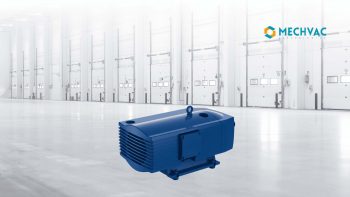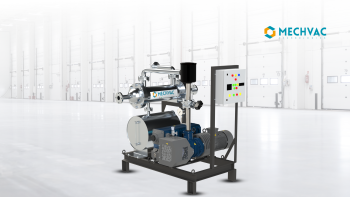
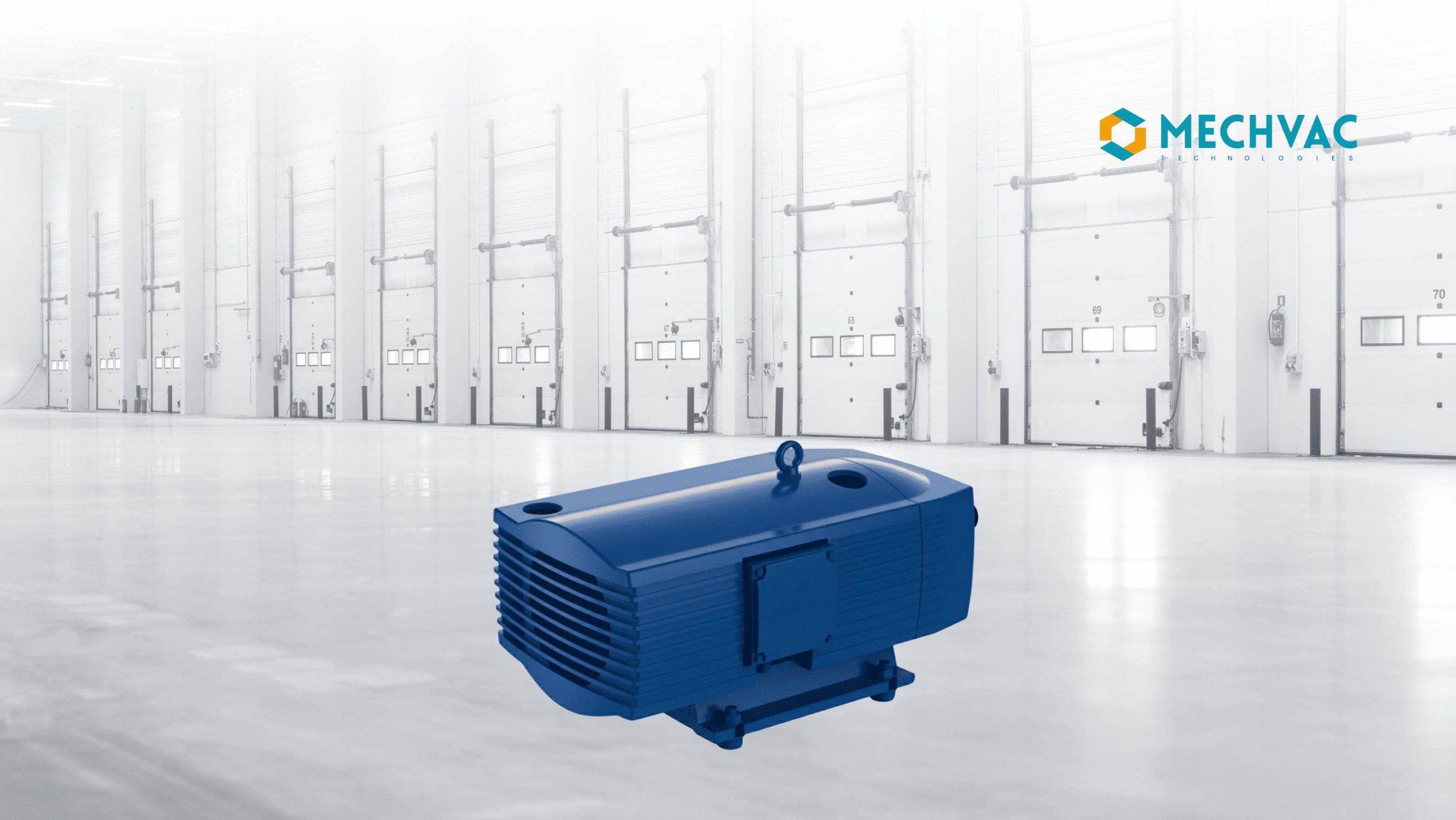
Rotary vane pumps handle critical tasks across industries. Labs count on them for precise vacuum pulls during experiments. Factories use them to manage gases in production lines. Even automotive shops rely on their steady performance for testing. Among the many pump styles on the market, Oil Sealed Rotary Vane Pumps, Dry Rotary Vane Pumps, and Double Stage Rotary Vane Pumps each fill distinct roles. At the core, oil keeps everything running smoothly. Wrong choice leads to early failures, overheating, and lost efficiency. The right one stretches pump life, sharpens vacuum quality, and slashes repair costs.
This buyer’s guide simplifies the process. It covers pump basics, oil’s key roles, types available, and clever selection tips. Common mistakes get flagged early to dodge pitfalls. Maintenance advice rounds it out. Mechvac Technologies brings real-world insights from years in vacuum tech. Whether upgrading a worn unit or spec’ing a new one, these steps build confidence. No fluff, just actionable paths to better performance.
Vacuum demands evolve, but oil fundamentals hold firm. Pumps today feature more innovative features, such as auto-drain ports. Still, lubrication decides reliability. Start with the basics to align choices. End with pumps that outperform expectations.
What Makes Rotary Vane Pumps Tick?
Rotary vane pumps, whether Oil Sealed Rotary Vane Pumps or Dry Rotary Vane Pumps, operate on a straightforward mechanism. An eccentric rotor spins inside a chamber, pushing sliding vanes against the walls. This action traps gas in expanding pockets, compresses it, and then ejects it. The design delivers consistent mid-range vacuum levels from 10 to 10^-3 torr, making it versatile across diverse setups.
Oil integrates deeply into Oil Sealed systems. It lubricates moving parts to reduce friction, seals tiny gaps for a tighter vacuum, and absorbs heat from compression. Without proper oil, vanes wear fast, efficiency dips, and motors strain. Single-stage pumps suit rougher jobs like degassing; Double Stage Rotary Vane Pumps excel in finer applications like freeze drying.
Mechvac Technologies crafts pumps with these dynamics in mind. Their models feature robust housings in cast iron or aluminum, paired with durable vanes in carbon or synthetics. Always cross-check the manual for specs like CFM and horsepower. Matching oil to the pump’s build and use prevents mismatches that shorten service life.
Why Oil Is the Unsung Hero of Your Pump
Oil performs a role beyond basic lubrication in Oil Sealed Rotary Vane Pumps. It forms a protective film on vanes and rotors, slashing wear during endless cycles. Sealing gaps between parts prevents gas leaks, locking in vacuum strength. Cooling duties pull heat from compression zones and route it to the exterior for dissipation, vital to avoid thermal breakdowns.
Contaminant management adds another layer. Dust, moisture, and process vapors mix into the oil, which traps them for filter removal. Low vapor pressure minimizes evaporation, preventing chamber contamination during sensitive work. Chemical resistance shields against corrosive gases, while thermal stability maintains flow in temperature swings. Backstreaming control stops oil vapors from fouling downstream processes.
Data from field tests shows premium oils lift efficiency by 15-25%, trim energy draw, and quiet operation. In high-stakes spots like semiconductors, this means cleaner outputs and fewer rejects. Mechvac reports users seeing 20% longer run times with optimized lubrication. Treat oil as the system’s lifeline, keep it vital, and the pump delivers peak results.
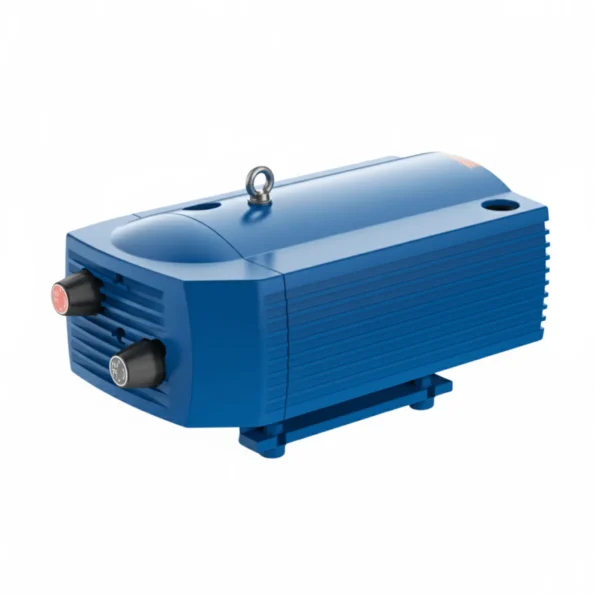
Exploring Oil Types: From Basic to High-Tech
Mineral oils offer a solid starting point for Oil Sealed Rotary Vane Pumps. Derived from refined crude, they provide low-cost lubrication with decent vapor pressure for general vacuums. Labs handling solvents or basic distillation find them reliable, though they falter in extreme heat or aggressive chemicals.
Synthetic options step up performance. Esters boast wide temperature ranges and oxidation resistance. PAOs mimic mineral flow but add cold-start ease and heat tolerance. Food-grade variants meet NSF standards and pose no toxicity risks.
At the top end, PFPE oils deliver unmatched inertness for demanding setups, including those paired with Double Stage Rotary Vane Pumps. Fully fluorinated, they shrug off acids, solvents, and oxygen-rich environments thanks to their near-zero vapor pressure. Mechvac’s range spans these from entry-level minerals to elite PFPE tailored by grade. Always verify compatibility.
Key Factors in Oil Selection: Nail These for Success
Viscosity tops the selection list. ISO 32 or 46 grades fit most systems. Vapor pressure is closely followed, ideally under 10^-5 torr at 20°C for clean applications.
Temperature tolerance and chemical resistance interlock next. A high viscosity index ensures stability across swings, while low pour points aid in cold climates. Process gases demand oils that resist breakdown. Pump materials like aluminum need non-corrosive picks.
Application, cost, and sustainability wrap it up. Continuous-duty applications favor stable synthetics; dirty environments prioritize toughness. Eco-friendly biodegradables align with regulations. Mechvac audits help narrow choices quickly.
Dodging Common Lubrication Landmines
Wrong oil type ranks as the biggest slip, especially in Oil Sealed Rotary Vane Pumps. Compressor lube with high vapors wreaks vacuum pulls. Infrequent changes let contaminants accumulate, reducing output.
Low levels, contamination, air leaks, overheating, viscosity mismatches, and mixing incompatible grades all trigger failures. Dry starts scorch parts. Neglecting gas ballast leads to condensed vapors forming gunk.
Step-by-Step: Your Oil Buying Blueprint
Start by profiling the pump: model, stages (including whether it’s a Double Stage Rotary Vane Pump), drive type, and manual baselines. Map the application gases, temps, and cycles.
Rank factors: viscosity, vapor pressure, and chemical resistance. Decide mineral vs synthetic vs PFPE. Then source from trusted suppliers like Mechvac. Install correctly, run warm-run tests, and log changes.
Mechvac Technologies: Trusted Oil Partners
Mechvac Technologies supports everything from Oil-Sealed Rotary Vane Pumps to Dry Rotary Vane Pumps, with a tailored oil lineup. Mineral for basics, synthetics for heavy duty, PFPE for harsh zones. All boast ISO certs and high stability.
Client stories showcase significant gains in uptime, contamination control, and energy efficiency.
Keeping Oil Fresh
Daily checks, warm draining, filter swaps, proper flushing, gas ballast routines, temperature monitoring, and logs extend pump life past 10,000 hours. Seasonal tweaks ensure year-round reliability.
Wrapping Up
Smart oil picks redefine rotary vane reliability. From sealing to cooling, it underpins every gain, especially in Oil Sealed Rotary Vane Pumps, Dry Rotary Vane Pumps, and Double Stage Rotary Vane Pumps: upfront effort yields smoother operation, longer life, and savings.