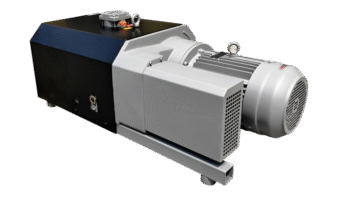

Mechvac’s Vacuum Systems are engineered to deliver reliable, efficient, and centralized vacuum generation for industrial processes that demand stable performance, operational consistency, and long-term reliability.
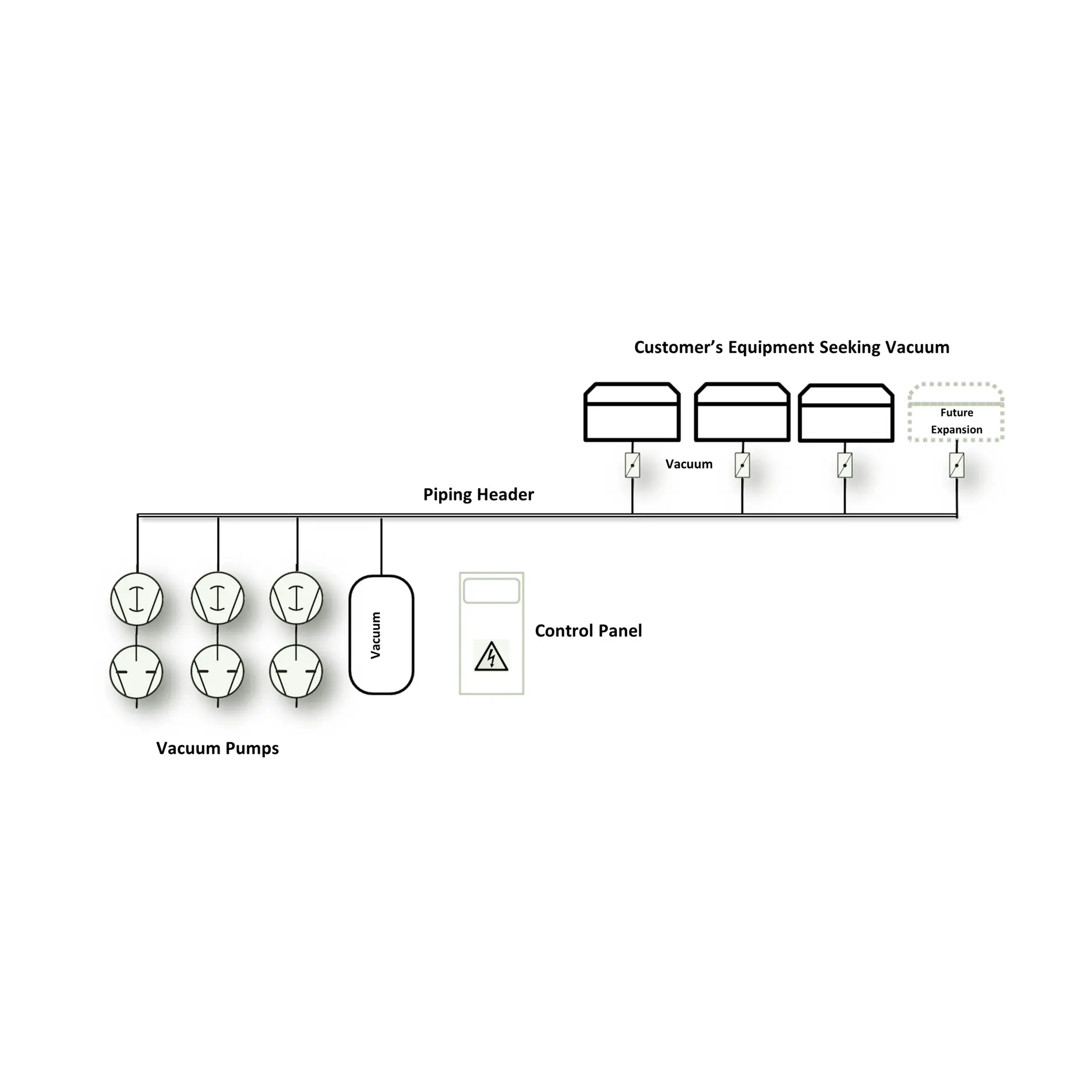
They are specifically designed for modern manufacturing environments. Our industrial vacuum systems integrate vacuum pumps, receivers, filtration units, piping networks, and vacuum control systems into a single engineered solution.
We are the top vacuum system manufacturers, and we design customized vacuum system solutions that address the unique requirements of industrial facilities.
Many manufacturing plants operate multiple standalone vacuum pumps across various departments. While effective initially, these setups often result in higher maintenance requirements, increased energy consumption, inconsistent vacuum performance, and limited scalability.
You can address these challenges through our engineered centralized vacuum system solutions. They are designed to address these challenges by consolidating vacuum generation into a single, optimized system.
By distributing vacuum through a centralized network, businesses can improve operational efficiency while maintaining consistent vacuum performance throughout the facility.
Each system is designed based on application requirements, vacuum demand, operating conditions, process criticality, and future expansion plans.
Whether supporting packaging operations, process manufacturing, automation systems, or vacuum pneumatic conveying systems, all the systems are built to improve process efficiency, system reliability, and production scalability.
Vacuum performance directly impacts product quality, production efficiency, and process reliability. Mechvac’s industrial vacuum systems are engineered to maintain stable vacuum levels even during fluctuating and demanding conditions.
All the systems are built with integrated receiver tanks, filtration systems, vacuum distribution networks, and advanced vacuum control systems that work together to ensure consistent vacuum delivery across all connected processes.
This helps improve:
By centralizing vacuum generation, facilities gain greater visibility and control over vacuum-dependent operations.
Packaging
Reliable vacuum supply for packaging processes requiring consistent performance and product quality.
Vacuum Pneumatic Conveying
Suitable for vacuum conveying applications when designed for the required material and conveying conditions.
Material Handling
Centralized vacuum support for automated handling, lifting, and transfer applications.
Drying & Degassing
Stable vacuum generation for drying, evaporation, and degassing operations. Suitable when system design matches process vacuum and vapor load requirements.
Filtration
Supports vacuum-assisted filtration processes across industrial applications.
Chemical Processing
Reliable vacuum support for process-critical manufacturing operations.
Pharmaceutical Manufacturing
Consistent vacuum performance for controlled production environments. When appropriate materials of construction and process requirements are considered.
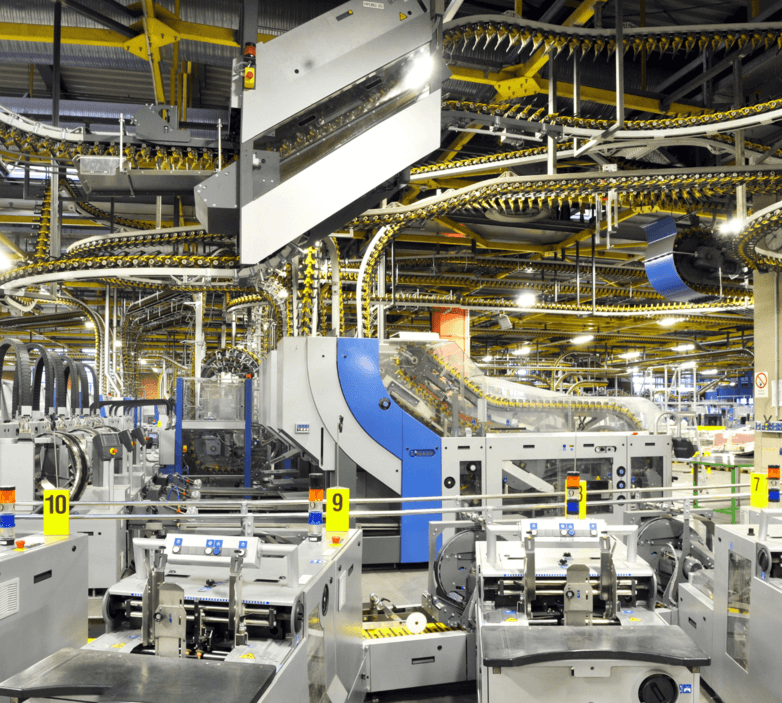
Printing & Paper
Centralized vacuum supply for sheet handling and production systems.
Plastics & Polymer Processing
Vacuum generation for forming, molding, and production processes.
Food Processing
Supports vacuum-dependent processing and packaging operations.
Research & Development
Reliable vacuum generation for testing, laboratory, and development environments.
General Industrial Applications
Dependable vacuum infrastructure for a wide range of manufacturing operations.
As production facilities expand, managing multiple standalone vacuum pumps can become increasingly complex.
Individual pumps often result in:
All these challenges can be easily addressed through vacuum system solutions by consolidating vacuum generation into a single optimized infrastructure.
For facilities seeking long-term efficiency and reliability, centralized vacuum systems often provide a more sustainable and cost-effective solution.
Centralized Vacuum Generation– Supply multiple machines and processes from a single optimized vacuum source
Energy-Efficient Vacuum Infrastructure– Reduce power consumption through optimized system design and intelligent vacuum control
Advanced Vacuum Control Systems – Monitor, regulate, and optimize vacuum performance in real time
Stable Vacuum Performance for Critical Processes – Maintain stable vacuum levels across production lines and varying process demands
Reduced Maintenance Requirements – Minimize servicing complexity by replacing multiple standalone pumps with one integrated system
Reduced Production Downtime – Improve operational reliability with centralized monitoring and controlled vacuum distribution
Integrated Material Handling Solutions – Support vacuum pneumatic conveying systems for efficient transfer of powders and bulk materials
Optimized Process Efficiency – Enhance productivity through stable and dependable vacuum delivery
Lower Total Cost of Ownership – Reduce operating costs through energy savings, simplified maintenance, and improved equipment utilization
Custom-Engineered Vacuum System Solutions – Designed around your facility layout, process requirements, and production goals
Long-Term Operational Reliability – Engineered for continuous industrial performance in demanding manufacturing environments
Mechvac’s Centralized Vacuum Systems are best suited for facilities that require centralized vacuum generation, process consistency, energy efficiency, and scalable vacuum infrastructure to support long-term industrial growth.
In the case of a centralized vacuum system, the vacuum requirement does not remain constant at all times during a day. Various machines and processes could need the vacuum at different times, making the system dependent on changing conditions.
To cater to this issue, centralized vacuum systems have control systems that continuously measure the vacuum level within the receiver/distribution system based on which the pumps are automatically switched on or off depending on demand to keep up the vacuum level requirements.
The control system could vary depending on the application but would include any or all of the following:
* Automatic sequencing of pumps
* Duty and standby pumps operation
* Vacuum level measuring
* Alarms and faults monitoring
* PLC and HMI interface
* Remote monitoring possibility
Such an approach ensures proper maintenance of vacuum conditions within the premises and reduces unnecessary pump operations. This further increases the efficiency of machine usage and better planning of maintenance works.
A centrally controlled intelligent vacuum system offers more operational visibility and reliability for those facilities having more than one vacuum-based process.
Centralized vacuum system is a system where the vacuum is produced from one source and distributed to a number of machines or processes from a common network.
Vacuum is produced at one or more centralized vacuum pumps and delivered to various points of use via piping, receivers and controls.
It allows improving vacuum stability, makes maintenance easier, eliminates duplication of equipment and provides flexibility for future expansion.
Yes, if the system is correctly designed, it can deliver vacuum to several machines, departments or production lines simultaneously.
System controls monitor vacuum level and provide necessary adjustments of pumps operations to keep it stable during changing demands.
Yes, such possibility exists and system can be designed with future capacity in mind.
Depending on applications, it may use oil sealed rotary vane pumps, dry screw pumps, liquid ring pumps and others.
With improved efficiency in the creation of the vacuum, and by using fewer stand-alone pumps, it is possible to reduce operating costs.
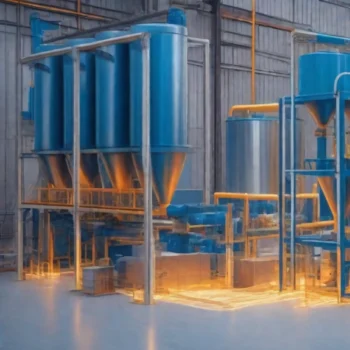
Systems for pneumatic conveying, particularly vacuum pneumatic systems, provide the best means of smoothly integrating different phases of production processes.
With the help of MECHVAC’s vast experience, meticulous research, and continuous system improvements, it is now possible to transport fragile and abrasion sensitive goods with absolutely no chance of damage.