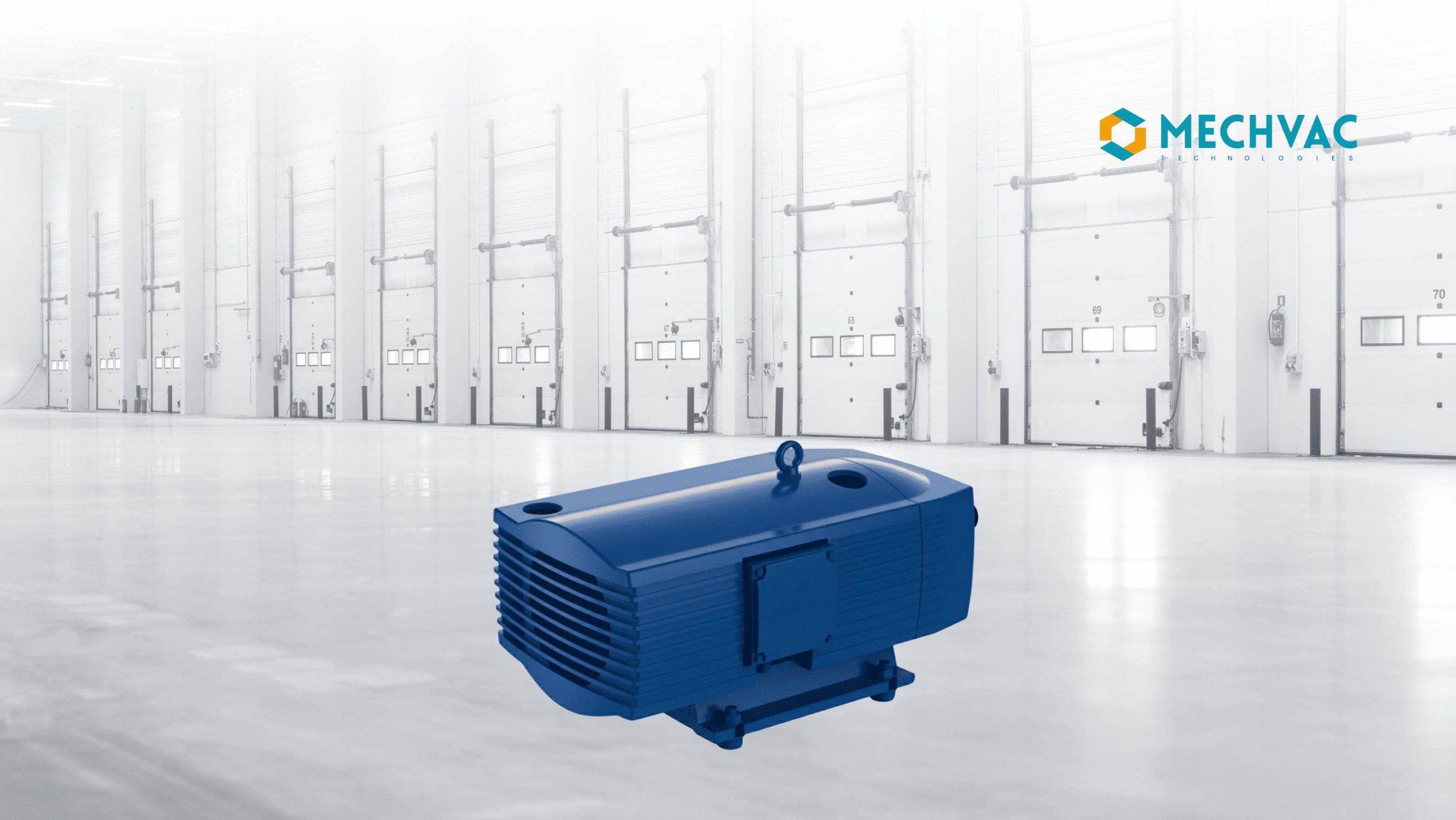
Rotary vane pumps stand out as dependable and effective devices across numerous sectors, ranging from factories to research labs. These pumps are recognized for their toughness and versatility in applications such as vacuum sealing, cooling systems, and handling chemicals. Yet, as with other machinery, safe handling and maintenance remain critical for optimal functionality, accident prevention, and worker protection. This post outlines helpful safety advice for running and caring for rotary vane pumps, focusing on effective performance with safety as the top priority.
What are Rotary Vane Pumps?
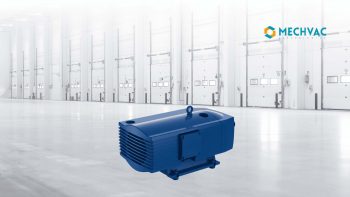
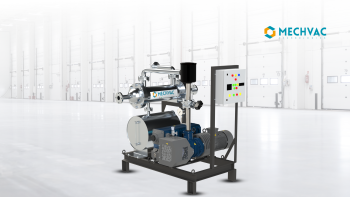
A quick overview of rotary vane pump mechanics helps before exploring safety measures. These pumps feature a spinning rotor equipped with sliding vanes that generate a vacuum or transport fluids. The interaction among the vanes, rotor, and casing compresses gases or liquids, enabling adaptability across various uses. Nevertheless, the dynamic components, pressure levels, and occasional hazardous substances require careful management to avoid risks.
Fundamental Safety Rules for Running Rotary Vane Pumps
Safe operation of rotary vane pumps begins with adhering to core principles. These actions reduce hazards and promote seamless functioning.
1. Consult the Manufacturer’s Guide
Each rotary vane pump includes a detailed guide from its maker, for instance, Mechvac Technology. This document provides precise guidance on secure use, maintenance timelines, and problem-solving methods. Review and apply these instructions before activation. Store the guide in an easy-to-reach spot for fast checks.
2. Equip with Appropriate Protective Gear
Handling rotary vane pumps calls for suitable protective equipment. Based on the task, this could involve:
- Protective handwear to guard against heat or substances.
- Eye shields to block splatters or particles.
- Hearing guards in loud settings.
- Shielding attire to limit exposure to risky liquids or lubricants.
Assess the pump’s role and surroundings to select essential gear.
3. Provide Adequate Instruction
Trained individuals alone should manage or service rotary vane pumps. Instruction needs to include:
- Activation and deactivation processes.
- Comprehension of controls and adjustments.
- Identification of failure indicators.
- Secure management of involved fluids or gases.
Ongoing instruction sessions update knowledge on optimal methods and fresh safety rules.
4. Examine the Surrounding Space
Before pump startup, survey the surrounding area for potential hazards. Confirm:
- No mess or barriers exist.
- Absence of drips or puddles that might lead to falls.
- Sufficient air flow, particularly with harmful vapors or compounds.
- Firm and intact power lines and plugs.
An orderly and tidy environment reduces the risk of accidents.
Practices for Secure Operation
With foundations set, sticking to secure running habits prevents problems during usage.
5. Verify the Pump Pre-Launch
Conduct a thorough check before powering up. Search for:
- Degradation or harm to blades, gaskets, or tubes.
- Correct lubricant amounts, since these pumps depend on oil for fluid motion.
- Tight links for tubes and connectors.
- Odd sounds or shakes from past runs.
Resolve any concerns before proceeding to avert harm or dangers.
6. Prevent Excess Load
Pushing the pump past limits risks overheating, breakdowns, or rare blasts. Stick to the maker’s specs for pressure caps, flow speeds, and durations. Skip overriding safeguards like relief mechanisms or auto-stops.
7. Track Heat Levels
Operation generates warmth in rotary vane pumps. Too much heat harms parts or creates perils. Use integrated heat monitors when available to monitor levels. If unusual warmth appears or overheating signs emerge, halt immediately and allow cooling before checks.
8. Manage Substances and Vapors Carefully
Certain pumps handle hazardous liquids or vapors. Consistently:
- Choose matching materials for conduits and seals to stop leaks or erosion.
- Keep and discard substances in accordance with safety norms.
- Steer clear of vapor inhalation by ensuring good airflow or ventilation.
For toxic or flammable materials, observe strict guidelines to prevent contact or ignition.
Tips for Safe Upkeep
Consistent care maintains rotary vane pump efficiency and prolongs service life. Upkeep activities, though, carry risks without proper execution. Below are safety pointers for pump care.
9. Deactivate and Secure the Device
Before upkeep, switch off and unplug from power sources. Apply lockout/tagout protocols to block unintended activations. This guarantees no restarts during work.
10. Select Correct Instruments and Components
Employ suggested tools and spares from the producer. Mechvac Technology supplies tailored blades, gaskets, and lubricants for its models. Wrong items might cause subpar results or threats.
11. Perform Lubricant Changes Securely
These pumps require frequent lubricant changes for optimal operation. During changes:
- Permit cooling to dodge scalds.
- Don hand and eye guards for handling spent lubricant, possibly warm or polluted.
- Discard old lubricant in accordance with the area’s eco-rules.
- Replenish with the specified lubricant type and volume as outlined in the guide.
12. Clean the Device Appropriately
Buildup of grime or particles impacts efficiency. Clean regularly, avoiding harsh agents that can damage components. Opt for gentle fabrics or tools for outer wipes, and adhere to the guide for inner cleans.
13. Look for Degradation
In maintenance, review critical components such as blades, rotors, and gaskets for deterioration. Swap out damaged items swiftly to avoid failures or drips. Routine reviews spot minor troubles early.
14. Evaluate Post-Upkeep
Following care, trial the pump under controlled conditions. Begin at reduced pressure to verify operations. Note peculiar noises or motions, and scan for drips or issues.
Readiness for Urgent Situations
Despite top measures, crises might arise. Preparation lessens threats and harms.
15. Understand Urgent Halt Methods
All handlers should know the pump’s urgent stop switch or the steps to take. For faults, drips, or flames, swift response averts harm or device loss.
16. Place Aid Supplies Close
Maintain a complete aid kit in the zone. Assure handlers recognize their spot and application for minor harms like slices or scalds.
17. Establish Leak Handling Strategy
For liquid-handling pumps, set a leak response approach. Stock containment tools, like leak kits, for rapid management and cleanup.
18. Instruct on Flame Prevention
These pumps might pose a risk of fire with ignitable liquids or with excess heat. Equip the site with suitable flame suppressors for potential blaze types (e.g., lubricant or wiring). Teach handlers on suppressor use and escape timing.
Benefits of Following Safety Practices
Observing these tips yields multiple gains:
- Handler Protection: The Right steps reduce the risk of harm or mishaps.
- Device Durability: Steady care and secure runs boost lifespan.
- Expense Reductions: Halting failures and mishaps cuts fix and idle costs.
- Rule Adherence: Following the tips meets work safety standards.
Wrapping Up
Rotary vane pumps, including models from Mechvac Technology, are robust instruments that require attentive management for secure, productive operation. Applying the safety advice here guides consultation, gear use, routine care, and crisis prep, helping handlers reduce risks and sustain smooth operations and emphasizing safety safeguards for personnel while boosting device efficiency and strength. Remain alert, follow the producer’s directions, and maintain a secure setting for superior outcomes.