Rotary vane pumps stand out as essential tools in numerous sectors. They handle vacuum generation or fluid transfer in setups ranging from factories to food plants and chemical labs. Yet standard versions rarely suit every scenario perfectly. Customization steps in to fill that gap. Adapted pumps deliver better results, trim expenses, and heighten safety for particular jobs. This article breaks down the process of customization and highlights its value in targeted industrial uses.
Grasping Rotary Vane Pumps
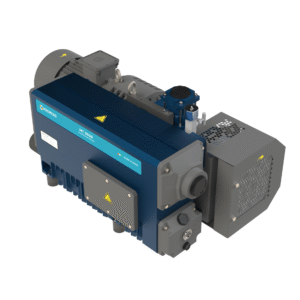
Rotary vane pumps rely on a basic setup that works well. Inside a chamber, a rotor turns with vanes that extend and retract to grab and shift air or liquids. The rotation creates expanding pockets to pull in gas, then shrinking ones to push it out, producing either vacuum or pressure as required.
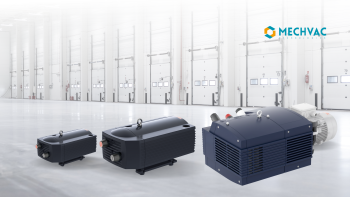
Options include oil-lubricated and dry types. Oil versions reach stronger vacuums and hold up under rough use, whereas dry ones keep things clean by skipping oil, fitting spots like drug making or tech assembly. Off-the-rack pumps manage everyday duties, but sectors deal with odd demands extreme heat, harsh chemicals, or cramped areas that call for tweaks.
The customization journey kicks off with core tweaks. Changes to rotor pace, vane makeup, or chamber scale align with exact specs. Take car testing: pumps have to mimic tough settings without breaking down. Fine-tuning these parts builds dependable gear for niche roles.
The Importance of Tailored Pumps
Ready-made pumps look cheap upfront, but troubles crop up later. Wrong fits spark constant fixes, extra power drain, or weak output. Customization matches pumps to job specifics, dodging those pitfalls.
Look at food handling. Vacuum sealing needs pumps free of pollutants. Basic pumps could react badly with acidic foods, causing waste or health risks. Tailored ones use safe seals and tough vanes against rust, sticking to rules like FDA guidelines.
Chemical work exposes gear to tough stuff. Pumps face acids, thinners, or heavy pressure. Special layers or metal blends for vanes cut down on erosion and spills, stretching lifespan and curbing halts that rack up big bills in missed output.
Saving energy also pushes for custom work. Sectors push to cut bills and eco harm. Refining vane shapes or fitting speed changers drops energy use without losing power. In wastewater operations, adjusted pumps shift flows as needed, conserving power during slow periods.
In high-risk areas like oil fields, safety is paramount leaks or sparks could trigger explosions. Added traits, such as blast-proof covers or alert sensors, meet codes like ATEX or UL, thereby guarding people and sites.
All in all, tweaks turn ordinary pumps into sharp instruments. They aid firms in tackling hurdles that stock items overlook, keeping edges sharp.
Main Customization Choices
Adapting a rotary vane pump covers various spots to suit work demands.
Build Materials
Picking materials matters a lot. Vanes from carbon, graphite, or mixes last longer. For eating-away settings, steel or titanium shells fight harm. In hot jobs like metal pouring, alloys that beat heat stop bending.
Seals get matched too. Stuff like Viton or PTFE beats chemicals over plain rubber, holding seals tight and vacuums steady.
Dimensions and Output
Pumps differ in bulk, but tweaks can refine them. Small builds squeeze into narrow lines, big ones tackle bulk flows in handling raw goods. Boosting space inside ramps up vacuum depth or speed.
Boosting Function
Pace control lifts efficiency. Drives that vary frequency tweak turns for loads, cutting waste. Sound cuts via wrapped cases work for inside spots needing hush.
Filters added snag bits, stretching fix gaps. In gritty places like digs, this guards vanes from dirt, easing wear.
Linking Systems
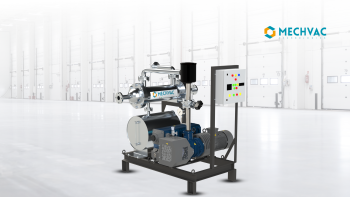
Current pumps tie into auto lines. Bespoke links join to controls or oversight for live checks. Gauges watch force, warmth, or shakes, flagging woes early.
Far-off spots gain from no-wire tweaks, suiting big plants or tough reaches.
Mechvac Tech excels in such tweaks, steering users to fits for their rigs.
Examples from Actual Use
A drug firm needed clean wrapping pumps. Stock ones leaked oil, risking meds. Dry custom pumps with germ-fighting coats hit clean standards, dropping pulls and easing checks.
Aerospace tests vacuum parts for space feel. A fine-tuned pump with spot-on pressure held fast shifts sans overheat, hurrying models and solid info.
Ink in print shops clogged standard pumps. Wider vane gaps and auto-clean cut fix time sharp, lifting make.
Such stories show tweaks fix tight spots. Each field has quirks, and adapted pumps flip issues to wins.
Customizing Process
Tailoring a rotary vane pump tracks simple steps. First, check the job vacuum strength, fluid kinds, and surrounds like heat or damp.
Then talk to pros. Give setup facts, like room limits and energy feeds. They pitch changes from tested builds.
Mock-ups next. Run trials in true settings to catch snags. Fixes make sure the end pump hits marks.
Setup and teaching follow. Right place maxes gains, and crews learn handling and care.
Steady checks maintain flow. Tailored units often offer fixed deals for quick repairs.
These moves yield a spot-on pump, sparing hours and cash long-term.
Final Thoughts
Tailored rotary vane pumps open paths for sectors with odd needs. From stuff picks to function lifts, changes up trust, flow, and guard. Firms putting in for custom gear reap wins, be it saved funds, safety, or more make.
Those eyeing choices find help from spots like Mechvac Technologies Tech on vane pump tweaks. Link with pros to spot how a fitted pump lifts work.