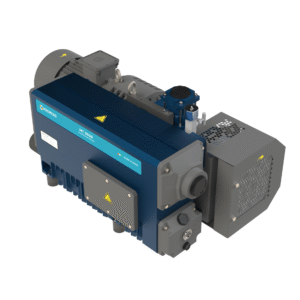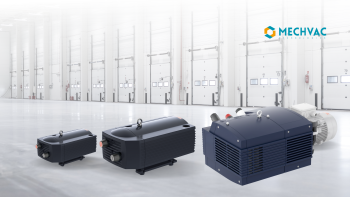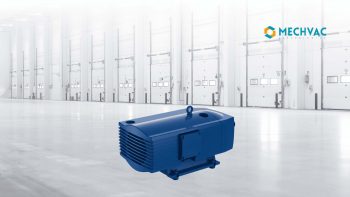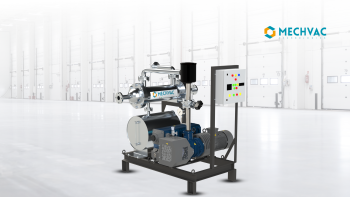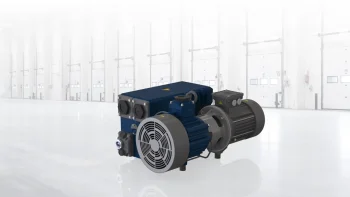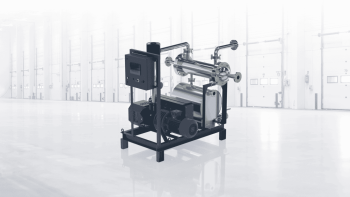
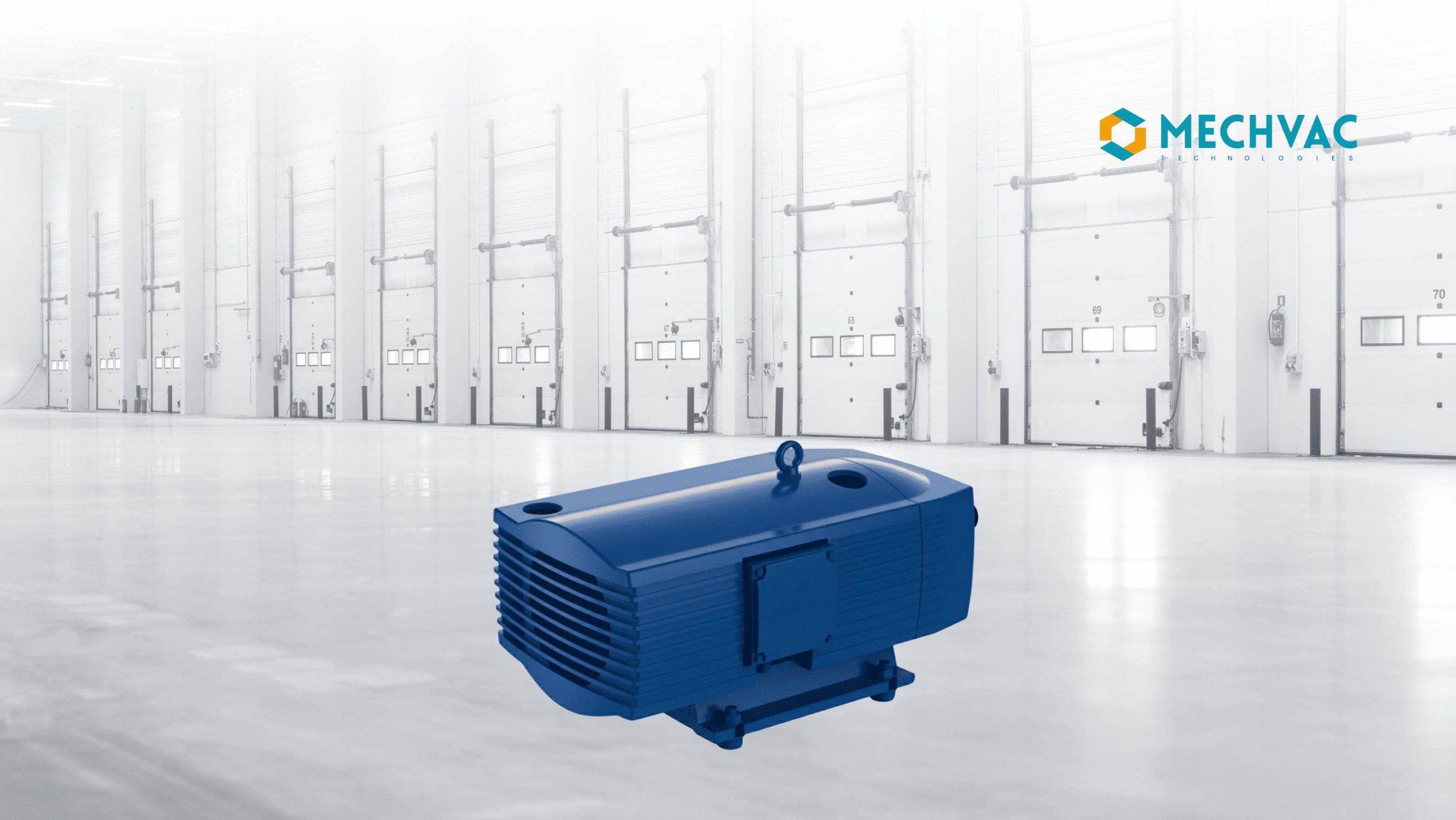
Rotary vane pumps play a key role in many industries thanks to their dependable performance in generating a vacuum or pressure. Overheating, though, can reduce efficiency, damage parts, and cause costly interruptions. This post covers ways to spot overheating in these pumps and offers straightforward methods to avoid it. Applying these tips helps keep operations running smoothly and prolongs equipment life, including Mechvac Technology models.
Understanding Overheating in Rotary Vane Pumps
These pumps operate via vanes that rotate within a chamber to handle airflow or gas movement. Heat builds up from friction, compression work, and the motor’s effort. Without proper heat control, issues arise, such as:
- Lowered Output: Heat can reduce the pump’s capacity to maintain a steady vacuum or pressure.
- Part Deterioration: Elevated temperatures accelerate the wear of vanes, seals, and bearings.
- Lubricant Breakdown: Excessive heat degrades lubricant, affecting overall performance.
- Complete Breakdown: Ongoing high heat might force the pump to stop or fail.
Spotting and stopping overheating matters a lot for keeping pumps in top shape and avoiding repairs.
Signs of Overheating in Rotary Vane Pumps
Catching overheating early prevents bigger problems. Look out for these common clues:
- Strange Sounds: Noises like grinding, rattling, or high-pitched squeals could indicate increased friction or heat damage.
- Elevated Surface Heat: When the pump is too hot to touch comfortably or exceeds the suggested limits, overheating is likely.
- Drop-in Function: Weaker vacuum or pressure levels suggest that heat is affecting performance.
- Burnt Odour: A smell resembling something burning often means oil or parts are overheating.
- Repeated Stops: Many pumps include built-in safeguards that halt operation at high temperatures.
- Changed Oil Appearance: Dark or thick oil indicates heat damage.
Keeping an eye on these signals through routine checks helps address overheating before it worsens.
Reasons Behind Overheating in Rotary Vane Pumps
Knowing what causes overheating enables better prevention. Typical factors include:
- Insufficient Oil: Low levels or poor-quality oil boost friction and heat.
- Blocked Filters: Dirt in the air or oil filters limits flow, making the pump strain and heat up.
- Excessive Load: Pushing the pump too hard or too long causes temperature spikes.
- Bad Airflow: Limited space around the pump traps heat inside.
- Wrong Lubricant: The incorrect oil type fails to lubricate well, leading to more heat.
- Damaged Parts: Worn vanes, bearings, or seals create extra friction.
- Hot Surroundings: Working in warm areas makes heat removal tougher.
Pinpointing these helps focus efforts on specific fixes to curb overheating.
How to Detect Overheating
Consistent checks are vital for finding overheating in time. Practical approaches include:
- Temperature Monitoring Devices: Pumps like those from Mechvac Technology often include sensors. Review readings often to stay within safe zones, usually 60–80°C based on the unit.
- Oil Inspection: Look at oil through the viewing port for level and condition. Low, dark, or viscous oil hints at heat issues.
- Performance Tracking: Use gauges to watch vacuum or pressure. Steady declines may link to heat.
- Sound Checks: Listen during runs for odd noises tied to heat wear.
- Airflow Review: Confirm the area has good ventilation and no blocks on fans or vents.
- Heat Scanning Tools: Thermal cameras can spot warm areas for detailed checks.
Routine upkeep and observation catch overheating soon, cutting down on time lost and repair expenses.
Steps to Prevent Overheating
Stopping overheating involves correct use, ongoing care, and control of surroundings. Here are actionable measures to maintain rotary vane pump effectively:
1. Handle Lubrication Well
- Oil Level Checks: Use the sight glass to verify oil regularly and add more with the right type.
- Correct Oil Selection: Stick to the advised oil for optimal handling of conditions.
- Routine Oil Swaps: Change oil per schedule, often every 500–1,000 hours or as directed.
2. Maintain Filter Cleanliness
- Air Filter Care: Clean or swap air filters every 100–200 hours for unrestricted air.
- Oil Filter Replacement: Change blocked oil filters to keep lubrication smooth and friction low.
- Inlet Filter Monitoring: Clear debris from inlet filters to ease pump workload.
3. Stay Within Limits
- Do not run at full tilt for long stretches. Follow guidelines on usage cycles.
- Provide rest times during heavy use, particularly in warm settings.
4. Promote Good Air Circulation
- Position the pump in open spaces for air movement.
- Clean fans and vents of dust regularly.
- In hot spots, add extra fans or cooling if needed.
5. Conduct Regular Upkeep
- Part Examinations: Look over vanes, bearings, and seals for issues in scheduled checks. Fix or replace as required.
- Pump Cleaning: Wipe away dust, grime, and oil from outside surfaces to aid heat escape.
- Adhere to Plans: Follow manual timelines for changes, swaps, and reviews.
6. Watch Environment Factors
- Avoid placing near sun or heat emitters.
- Keep room temperatures under advised limits, often below 40°C.
- Use barriers or cases near hot machinery.
7. Enhance Cooling Options
- For tough jobs, add fans or water systems if they fit the pump.
- Verify any internal cooling works right.
8. Educate Users
- Train on start-up, shut-down, and daily handling.
- Show how to notice early overheating signs like sounds or output drops.
- Stress following maker instructions for use and care.
These actions lower overheating chances greatly, supporting steady pump work.
Benefits of Preventing Overheating
Efforts to stop overheating bring clear gains:
- Extended Equipment Life: Good practices slow part wear, boosting durability.
- Better Operation: Maintained pumps run efficiently, cutting energy use and expenses.
- Less Interruptions: Prevention reduces sudden stops and repairs.
- Cheaper Upkeep: Steady care costs less than fixing or replacing.
- Reliable Results: No overheating means consistent vacuum or pressure for tasks.
When to Seek Professional Help
If overheating continues after basic steps, seek expert input. Reach out to the maker or skilled techs when:
- Heat issues linger post oil and filter work.
- Noises or function problems persist.
- Thermal stops happen often.
- Parts show clear harm like on vanes or seals.
Experts can dig deeper, checking for hidden blocks or motor troubles to fix stubborn cases.
Wrapping Up
Overheating poses risks to rotary vane pump efficiency, part health, and workflow continuity. Grasping indicators and triggers enables effective detection and prevention. Steady lubrication, filter care, ventilation, and maintenance keep pumps, such as Mechvac Technology units, in prime condition. Early monitoring and fixes extend life and ensure dependability. Simple routines help industries dodge overheating woes and sustain peak pump performance.